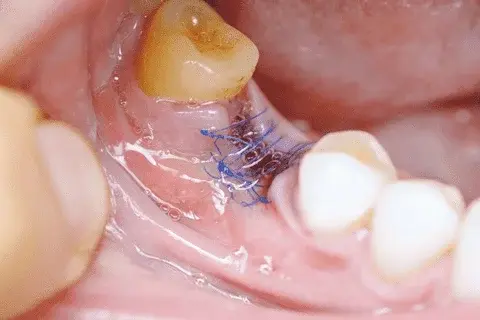
Tooth removal is sometimes required when a tooth cannot be preserved through other dental treatments. Dentists generally aim to save natural teeth whenever possible, but certain conditions make extraction the most suitable option for maintaining overall oral health. When dental issues become severe, removing the affected tooth can prevent further complications such as infections, pain, or damage to surrounding teeth. In many dental consultations related to Tooth Removal in Dubai, specialists carefully examine the patient’s dental health, medical history, and symptoms before recommending extraction as part of the treatment plan.
Severe Tooth Decay
One of the most common conditions that require tooth removal is advanced tooth decay. When a cavity is left untreated for a long period, it can spread deep into the tooth structure and eventually reach the pulp where nerves and blood vessels are located. In the early stages, decay can be treated with fillings or crowns. However, if the damage becomes extensive and the tooth structure cannot be restored, extraction may be necessary to stop the infection from spreading to nearby teeth and gums.
Removing a severely decayed tooth can also relieve persistent pain and help restore overall oral health.
Advanced Gum Disease
Gum disease, also known as periodontal disease, can significantly weaken the structures that support the teeth. As the condition progresses, it can damage the gums, ligaments, and bone surrounding the teeth. When the supporting bone becomes too weak to hold the tooth in place, the tooth may become loose or unstable.
In such cases, dentists may recommend removal of the affected tooth to prevent the infection from spreading further. Treating gum disease early can often help prevent tooth loss, but advanced stages sometimes make extraction unavoidable.
Impacted Teeth
Impacted teeth occur when a tooth fails to fully emerge through the gums due to lack of space or improper alignment. Wisdom teeth are the most commonly impacted teeth, but other teeth can also become trapped beneath the gum line. Impacted teeth can cause swelling, pain, infection, and pressure on neighboring teeth.
If left untreated, impacted teeth may lead to cysts or damage surrounding structures in the jaw. Removing the impacted tooth helps eliminate discomfort and prevents future complications.
Overcrowding of Teeth
In some cases, dentists may recommend tooth removal to correct overcrowding in the mouth. When there are too many teeth for the available space in the jaw, they may overlap, twist, or shift out of position. This condition can make it difficult to maintain proper oral hygiene and may affect the alignment of the bite.
Orthodontic treatment sometimes requires the removal of one or more teeth to create sufficient space for the remaining teeth to move into the correct positions. This approach helps achieve a balanced and healthy smile.
Tooth Damage from Injury
Dental injuries can occur during sports, accidents, or other unexpected situations. When a tooth becomes severely fractured or broken, it may not be possible to repair it with restorative procedures. In such situations, removing the damaged tooth may be the best way to prevent pain and infection.
After extraction, dentists may recommend appropriate dental solutions to restore the function and appearance of the smile.
Infection and Abscess Formation
A tooth infection occurs when bacteria reach the inner part of the tooth and cause inflammation or abscess formation. Although root canal treatment is often used to save infected teeth, there are cases where the infection becomes too severe or spreads to surrounding tissues.
If the infection cannot be controlled through other treatments, removing the tooth may be necessary to protect the rest of the mouth and prevent further health complications.
Preparing for Dental or Orthodontic Treatments
Sometimes tooth removal is part of a broader dental treatment plan. Dentists may recommend extraction to prepare the mouth for orthodontic adjustments, dentures, or other restorative procedures. Removing certain teeth can help improve alignment and ensure the success of the overall treatment.
Patients searching for the Best Tooth Removal Dubai often prioritize experienced dental professionals who provide careful evaluation and personalized treatment planning.
Conclusion
Several dental conditions may require tooth removal, including severe decay, advanced gum disease, impacted teeth, overcrowding, injury, and infections. Although dentists always try to preserve natural teeth whenever possible, extraction can sometimes be the best solution to maintain long-term oral health. Through proper diagnosis and professional care, tooth removal can help relieve pain, prevent complications, and support a healthier smile.