Liposuction in Riyadh: Exploring Safe and Modern Fat Removal Options
Posted by MISABA Khna
Filed in Health 36 views
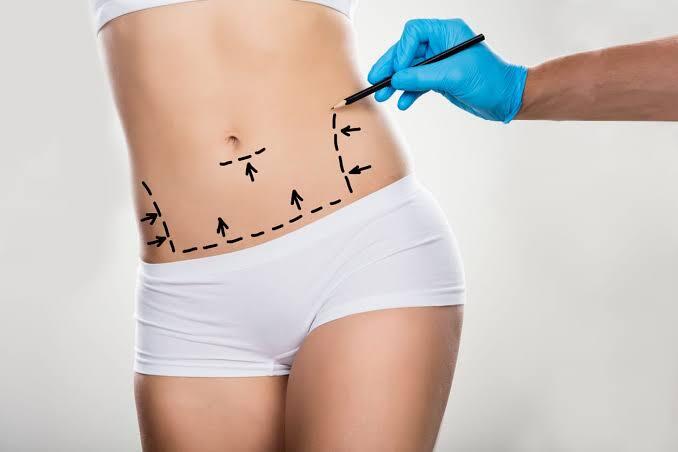
Liposuction is a surgical body-contouring procedure designed to remove localized fat deposits and improve the shape of selected areas of the body. It can be considered when stubborn fat remains despite healthy lifestyle habits. Modern approaches to liposuction focus on controlled fat removal, individualized treatment planning, and appropriate patient selection.
For people considering Liposuction in Riyadh, understanding the available fat-removal options, preparation, procedure, recovery, and safety considerations can help create realistic expectations. The right approach depends on factors such as the treatment area, fat distribution, skin elasticity, overall health, and desired body contour.
What Is Liposuction?
Liposuction is a surgical procedure that removes targeted fat using a thin tube called a cannula. The cannula is inserted through small openings in the skin and used with controlled suction to remove fat from selected areas.
Common treatment areas include the abdomen, waist, hips, thighs, arms, back, chin, and neck. The purpose of liposuction is primarily to reshape specific areas rather than provide general weight loss.
Is Liposuction a Weight-Loss Treatment?
Liposuction should not be considered a replacement for weight-loss treatment. It is primarily intended for localized fat reduction and body contouring.
Someone may have a relatively stable weight but still have stubborn fat around the abdomen, waist, thighs, arms, or other areas. Liposuction can focus on these specific deposits while maintaining the surrounding body proportions.
Maintaining a stable weight after treatment is important because future weight gain can affect the overall contour.
What Makes Modern Liposuction Different?
Modern liposuction involves more than simply removing fat through suction. Treatment planning considers the patient's anatomy, fat distribution, skin quality, and desired contour.
The surgeon may select different techniques depending on the treatment area and the characteristics of the fat. The objective is controlled removal that supports balanced body proportions.
Personalized planning is therefore an important part of modern fat reduction.
Common Modern Liposuction Techniques
Different techniques may be used depending on individual requirements. These approaches can include traditional suction-assisted liposuction as well as power-, ultrasound-, and laser-assisted methods.
Suction-Assisted Liposuction
Suction-assisted liposuction uses a cannula connected to a vacuum system. The surgeon carefully moves the cannula through the targeted fat layer to remove controlled amounts of fat.
This remains one of the commonly used approaches for surgical fat removal.
Power-Assisted Liposuction
Power-assisted liposuction uses a mechanically powered cannula to assist the surgeon during fat removal. The additional movement can help work through certain areas more efficiently.
It may be considered when treating larger or more fibrous areas.
Ultrasound-Assisted Liposuction
Ultrasound-assisted liposuction uses ultrasound energy to help loosen or emulsify fat before it is removed. It may be considered for selected areas depending on the patient's anatomy and treatment plan.
Laser-Assisted Liposuction
Laser-assisted liposuction uses laser energy as part of the fat-removal process. The approach may be considered when appropriate for the treatment area and individual goals.
The availability of different technologies does not mean that one technique is suitable for everyone. A personalized assessment remains important.
Areas Commonly Treated
Liposuction can address localized fat deposits in several parts of the body.
Abdomen
Abdominal liposuction can target excess fat beneath the skin and help create a smoother, more defined stomach contour.
Waist and Flanks
Treating the waist and flanks can help improve the transition between the abdomen, sides, and hips. Careful planning is important because these areas contribute significantly to overall torso proportions.
Hips and Thighs
Localized fat around the hips and thighs can sometimes affect body proportions. Liposuction can focus on selected areas while maintaining a natural transition between treated and untreated regions.
Arms
Upper-arm liposuction can reduce localized fat that affects the appearance of the arms. If substantial loose skin is present, additional body-contouring options may need to be considered.
Back
Localized back fat can sometimes affect the overall appearance of the torso. Treatment can be planned to create a smoother contour across the back and surrounding areas.
Chin and Neck
Liposuction can also target localized fat beneath the chin and around the neck. Because these areas influence the appearance of the jawline, precise treatment planning is important.
Who May Be Suitable for Liposuction?
Liposuction may be considered for adults who have localized fat deposits and are generally at a stable weight.
Potential candidates may have:
-
Localized stubborn fat
-
Relatively stable weight
-
Good general health
-
Suitable skin elasticity
-
Realistic expectations
-
Willingness to follow postoperative instructions
Not everyone is suitable for liposuction. A consultation and medical assessment are important before treatment.
Why Skin Elasticity Matters
Skin elasticity can influence the appearance of the body after fat removal. Once fat is removed, the skin needs to adapt to the new underlying contour.
People with good skin elasticity may experience better adaptation. However, significant loose skin may remain after liposuction.
Patients with substantial skin laxity may need to discuss additional or alternative body-contouring procedures during their consultation.
How to Prepare for Liposuction
Preparation begins with a detailed consultation. Patients should provide accurate information about their medical history, previous procedures, allergies, medications, and supplements.
The surgical team may recommend a medical evaluation or laboratory testing before treatment. Patients may also receive instructions regarding medications, smoking, eating, drinking, and other activities.
Following personalized preoperative instructions carefully can help prepare for surgery and recovery.
What Happens During the Procedure?
Before treatment, the surgeon may mark the areas to be treated. Anesthesia is then administered according to the planned procedure.
Small openings are made in the skin, allowing the cannula to reach the targeted fat layer. The surgeon carefully moves the cannula through the area while removing controlled amounts of fat.
The length of the procedure depends on the number and size of the areas being treated and the overall treatment plan.
What Does Safe Treatment Planning Involve?
Safety begins with appropriate patient selection and careful planning. A complete medical history can help identify factors that may influence the procedure or recovery.
Important considerations can include:
-
General health
-
Medical history
-
Current medications
-
Previous surgeries
-
Number of treatment areas
-
Amount of fat being removed
-
Type of anesthesia
-
Surgical setting
-
Expected recovery
Patients should discuss their individual risks and concerns openly during consultation.
Understanding the Potential Risks
Liposuction is a surgical procedure and carries potential risks. Temporary swelling, bruising, tenderness, numbness, and fluid accumulation can occur during recovery.
Other possible complications include infection, bleeding, contour irregularities, changes in skin sensation, blood clots, and complications related to anesthesia. Larger treatment areas or combining multiple procedures may affect the level of risk.
Understanding these considerations before treatment can help patients make informed decisions.
What to Expect During Recovery
Recovery varies from person to person. Immediately after treatment, swelling and bruising can make the treated areas appear different from their eventual shape.
Compression garments may be recommended as part of postoperative care. Patients may also receive instructions regarding movement, medication, wound care, exercise, and follow-up appointments.
Light activity may be encouraged according to the surgical team's instructions, while strenuous exercise is generally restricted during the early recovery period.
When Will the Results Appear?
Liposuction results develop gradually. Initial swelling can hide some of the changes achieved through treatment.
As the swelling decreases and the tissues settle, the treated areas become more defined. Final results may take several weeks or months to fully develop.
The final appearance can depend on skin elasticity, healing, treatment extent, body structure, and lifestyle.
Maintaining Results After Fat Removal
Liposuction removes fat cells from treated areas, but it does not prevent future weight gain. Remaining fat cells can increase in size if significant weight is gained.
Maintaining a relatively stable weight through balanced nutrition and regular physical activity can help support the body's new contours.
Healthy lifestyle habits remain important even after successful body-contouring treatment.
Liposuction and Loose Skin
Liposuction primarily removes fat and does not directly remove significant excess skin. If a patient has substantial skin laxity, removing fat alone may not provide the desired contour.
During consultation, skin quality should therefore be evaluated alongside fat distribution. Depending on the individual's needs, another body-contouring procedure may be discussed.
What Should You Ask Before Treatment?
A consultation is an opportunity to understand the proposed treatment in detail. Patients may want to ask:
-
Which areas are suitable for treatment?
-
Which liposuction technique is being considered?
-
Why is this technique appropriate?
-
What type of anesthesia will be used?
-
What preparation is required?
-
How long is the expected recovery?
-
What complications should I understand?
-
When can I return to work and exercise?
-
How should I maintain my results?
Clear communication can help ensure that expectations and treatment plans are understood before surgery.
Choosing Liposuction in Riyadh
When considering Liposuction in Riyadh, it is important to look at the procedure as a complete treatment journey rather than simply a method of removing fat. Consultation, patient selection, surgical planning, appropriate technique, recovery care, and long-term weight management all contribute to the overall process.
Understanding the available options can help patients discuss their goals and concerns more effectively with a qualified surgical professional.
FAQs
1. Is liposuction considered safe?
Liposuction is a commonly performed surgical procedure, but like all surgery, it carries potential risks. Safety depends on factors such as patient selection, treatment extent, surgical technique, medical evaluation, and appropriate postoperative care.
2. Which liposuction techniques are available?
Techniques can include suction-assisted, power-assisted, ultrasound-assisted, and laser-assisted liposuction. The appropriate approach depends on the treatment area and individual requirements.
3. Can liposuction treat multiple areas?
Multiple areas may sometimes be treated during one procedure, depending on the patient's health, treatment plan, and the amount of fat being removed. This should be discussed during consultation.
4. Does liposuction remove loose skin?
No. Liposuction primarily removes fat. Significant loose skin may require a different or additional body-contouring procedure.
5. How long does recovery take?
Recovery varies according to the extent of treatment and individual healing. Swelling and bruising can continue for several weeks, while final results may take several months to develop.
6. Can fat return after liposuction?
The fat cells removed from treated areas are permanently removed, but remaining fat cells can enlarge with significant weight gain. Maintaining a stable weight can help preserve the results.
Final Thoughts
Modern liposuction offers several approaches for targeted fat removal and body contouring. From suction-assisted techniques to power-, ultrasound-, and laser-assisted options, treatment can be planned according to individual anatomy and goals. If you are considering Liposuction in Riyadh, a detailed consultation can help you understand the available options, preparation requirements, potential risks, recovery process, and approach that may be appropriate for your body-contouring goals.