How Modern Security Systems Are Transforming Office Buildings
Posted by Kiran Gill
Filed in Technology 714 views
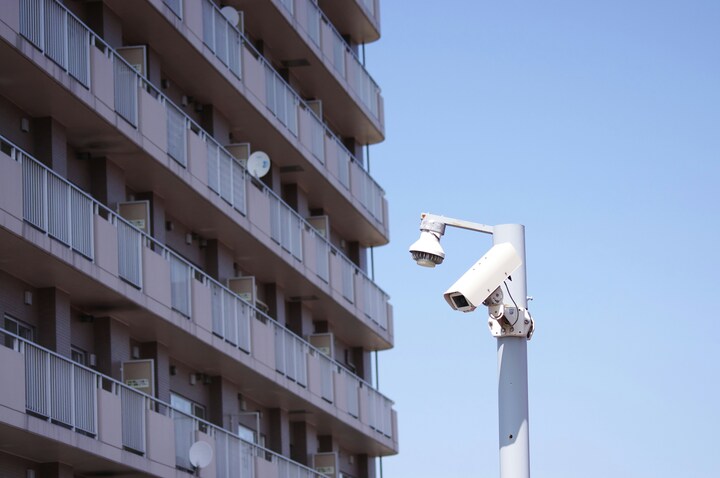
A safe environment boosts employee productivity. Traditional security systems can’t meet the changing demands of modern workplaces. Offices are becoming more complex, and they require safety systems that are faster and error-free. To meet the demands, technology is evolving and reshaping security in modern offices. In this guide, we will discuss the top systems that are vital to providing a safe environment in workplaces.
The Role of Intelligent Security in Today’s Office Environments
Intelligent security has become a core part of how modern offices operate. Platforms developed by LaMarco Systems are designed to align protection with real workplace behavior, combining access control, surveillance, and system integration into a unified security approach. Furthermore, let’s discuss the role of smart security in office buildings.
Smarter Access Control for Better Workplace Management
Today’s offices no longer run on metal keys and paper logs. Instead, access control moves with your team—adapting in real time to who needs to be where, and when. Whether it’s a new hire starting mid‑week, a flexible schedule, or a visiting client, entry can be granted smoothly and revoked just as easily. Security stays strong, without getting in the way.
Controlled and intelligent entry systems:
-
Digital credentials such as keycards, mobile apps, and biometrics.
-
Access permissions can be updated instantly when roles change or employees leave.
-
Restricted areas remain protected without disrupting daily operations.
-
Entry logs provide clear records for audits and compliance.
-
Multi-location offices can be managed centrally from a single dashboard.
Intelligent Surveillance for a Safer Space
AI intelligent surveillance camera technology shifts security from reaction to prevention. Its role goes beyond just documenting them. With clear, immediate awareness of movements in the area, your team can provide faster support, creating an environment where safety is felt, not just monitored. It’s protection that sees what matters. By anticipating needs and responding to context, it builds a foundation of quiet confidence throughout the day.
AI-powered monitoring and real-time visibility:
-
Crisp, clear footage, even in low light or bright glare.
-
Motion detection identifies unusual behavior automatically.
-
Get an instant heads-up, turning reaction into prevention.
-
Cloud storage ensures secure access to footage when needed.
-
Recorded data supports investigations and dispute resolution.
Integrated Security Systems for Faster Response and Control
There’s nothing more unsettling than a security system that can’t connect the dots. An alarm triggers, but why? A camera catches motion, but what happened at the door? An integrated system closes these gaps, giving your team a real-time story instead of puzzling fragments. The result is less noise, more understanding, and protection that truly holds together.
A connected approach to building security:
-
Security events trigger automated responses across multiple systems.
-
Centralized dashboards reduce errors.
-
Lockdowns and alerts can be activated instantly during emergencies.
-
Seamless coordination improves response decision-making.
-
Consistent security standards are maintained across large office spaces.
Supporting Hybrid Work and Flexible Office Environments
The modern office doesn’t keep a 9-to-5 schedule anymore. With hybrid teams flowing in and out, a static security system can’t keep up. Today’s platforms are built for this rhythm, adapting permissions and oversight as seamlessly as workstyles change. You protect the space without getting in the way of how people need to use it.
Security designed for flexible workplaces:
-
Role-based access ensures entry only on approved schedules.
-
Remote management allows updates without being on-site.
-
Occupancy tracking helps manage shared workspaces efficiently.
-
Temporary access can be issued to visitors and contractors safely.
-
Cloud-based platforms provide visibility from anywhere.
Using Security Data to Improve Office Operations
Today’s security systems are also powerful insight tools. Every badge swipe and camera feed quietly maps how your space is truly used. When you tap into that data, it doesn’t just report on security. It guides smarter decisions on everything from space planning to energy use, turning protection into a foundation for efficiency.
Data-driven decision-making benefits:
-
Access trends reveal peak usage hours and space demand.
-
Occupancy data supports smarter space planning.
-
Security reports simplify compliance and audits.
-
Patterns help identify potential risks.
-
Long-term insights guide infrastructure and staffing decisions.
Enhancing Safety Without Disrupting Productivity
The best security feels supportive, not intrusive. Modern systems are designed to protect people without watching over their shoulders. This creates a subtle sense of safety in the background. This allows trust and focus to flourish naturally. Employees feel respected and secure, which is the foundation of a positive and productive workplace.
Balancing protection and performance:
-
Automated visitor management speeds up check-ins.
-
Employees move freely within authorized zones.
-
Alerts are informative without causing unnecessary disruption.
-
Systems operate without interfering with daily workflows.
-
Workplace flow remains smooth and efficient.
Building Trust Through Transparent Security Practices
Effective security is built on trust, not just technology. By being transparent and respectful with data, companies show that protection is a service to the team, not surveillance of it. This turns a required policy into a collective value—where feeling safe and being trusted are two sides of the same coin.
Creating a secure and confident workplace culture:
-
Clear policies explain how security systems are used.
-
Ethical data handling protects employee privacy.
-
Visible security measures increase confidence.
-
Well-managed environments feel professional and safe.
-
Trust supports productivity and employee retention.
The Future of Office Security: More Insight, Less Interruption
What if security quietly learned your office’s habits and adjusted before risks emerged? That’s where we’re headed. Future systems will be predictive, flexible, and deeply integrated—shaping safety around how people actually work, not the other way around.
With automation managing routine checks, human teams can focus on what truly requires judgment. Security will become less about gates and more about gentle, continuous awareness. Ultimately, it won’t feel like something watching over you, but something working for you—woven into the workplace so seamlessly that safety is simply part of the atmosphere.
Conclusion
Security now holds a dual purpose—it both protects and enables. It’s the quiet assurance that lets flexibility thrive. Additionally, it informs thoughtful decisions and fosters peace of mind. This isn’t just new technology; it’s a statement of care, building workplaces where safety is part of the atmosphere and trust is in the foundation.